

From hurricanes and droughts to perpetually polluted air, the impacts of climate change are being felt globally. As one AAAS DoSER grantee, Seminario Evangelico de Puerto Rico (SEPR), stated, “climate change is already reshaping daily life through coastal exposure, ecological stress, fragile infrastructure, extreme weather, and energy insecurity. Science is not a distant abstraction. They are lived realities that affect congregations, neighborhoods, schools, and families, especially those already facing poverty, displacement, or limited access to stable resources.”
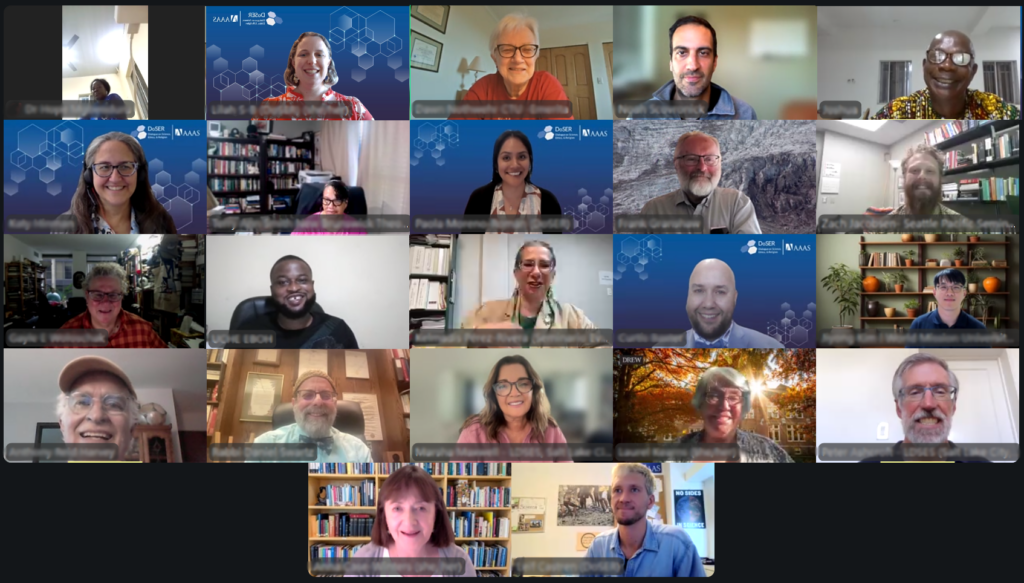 SEPR joined 10 other seminaries as part of the third cohort of Climate Science in Theological Education (CSTE) grantees. The goals of the CSTE initiative are to equip current and future faith leaders to lead their communities in addressing climate change and to create an atmosphere in places of worship where climate science is considered relevant, complementary, and important to religious worldviews. Participants focus on a variety of science topics, often directly related to local issues.
For example, World Mission University, based in Los Angeles, CA, will address extreme heat, wildfire smoke, air quality, and related environmental health concerns through seminars, guided reflections, and a workshop on designing local ministry responses. Participants will also be encouraged, via microgrants, to host activities that put these lessons into practice.
The environmental effects of Artificial Intelligence will be the focus of New Brunswick Theological Seminary (NBTS)’s work. Based in New Jersey, NBTS will help clergy and community leaders understand how emerging technologies affect environmental community health in the New York – Pennsylvania corridor. According to the project description, “this project will show how seminaries and congregations can respond to technological change with moral clarity, scientific literacy, and concern for the well-being of both people and planet. In a state where environmental pressures are intensifying, this project will help ensure that community leaders are prepared to lead with wisdom, accountability, and hope.”
While most of the participating schools are based in the U.S., DoSER is excited to work with three institutions from around the world – LEMA Theological Seminary (Nigeria), St. Sophia Ukrainian Orthodox Seminary (Ukraine), and Tabora Anglican Training Center (Tanzania). Additional grantees include the Huffington Ecumenical Institute at Hellenic College Holy Cross (MA), Latter-day Saint Earth Stewardship (UT), McCormick Theological Seminary (IL), Reconstructionist Rabbinical College (PA), and Seattle Pacific Seminary (WA).
DoSER’s CSTE project encourages participating institutions to engage climate-related science in ways that are tailored to the specific students, faculty, alumni, and faith communities that they serve. Activities funded through the grant can include capacity building, curriculum engagements, ministry/leadership-focused activities, or other program activities. Many of the schools have decided to host multiple activities and engagement opportunities.
The Climate Science in Theological Education project builds upon the success of DoSER’s previous Science for Seminaries: Integrating Science into Core Theological Education project (2016-2023), as well as a 2022 pilot project in incorporating climate science into seminary curricula. Initial funding for the initiative has been provided by the David and Carol Myers Foundation and Leslie Sternlieb, private donor. For more information about the Climate Science in Theological Education pilot schools and previous Science for Seminaries cohorts, please visit ScienceForSeminaries.org.


